What a Personal Injury Lawyer Reviews Before Taking on a Case

Before accepting a personal injury case, a lawyer must assess more than whether someone suffered harm. The review covers liability, available insurance, medical proof, filing deadlines, and the client’s ability to support the claim. A careful screening process saves time, prevents weak filings, and flags cases requiring urgent action. It also shows whether the likely recovery justifies the cost of litigation. Several practical checks guide that decision, beginning with the accident facts.
1. Accident Facts And Liability
First, the Atlanta personal injury lawyer establishes how the incident happened, who acted carelessly, and what evidence supports that account. Police reports, photographs, witness statements, traffic footage, vehicle damage, and phone records can clarify disputed details.
In a rideshare crash, the attorney also checks the driver’s app status because coverage depends on whether the driver was waiting, traveling to a passenger, or carrying a rider. A lawyer reviews trip records, timestamps, GPS data, and driver communications to connect the collision with the correct insurance policy. That review prevents an insurer from treating an active rideshare trip like ordinary personal driving.
The lawyer then compares each person’s conduct with the available evidence. Shared fault, unsafe road conditions, vehicle defects, and another driver’s actions can change the claim’s value and direction.
2. Insurance And Coverage
Insurance determines where compensation can come from and which parties must receive notice. A lawyer identifies the injured person’s coverage, the at-fault driver’s policy, any rideshare policy, and coverage held by other involved motorists.
Rideshare claims require close attention to timing. Different app stages trigger different insurance obligations, so a lawyer must prove the driver’s status at the exact moment of impact. App screenshots, trip receipts, dispatch records, and data preservation requests can support that proof.
The attorney also checks policy limits, exclusions, reservation-of-rights letters, and early settlement proposals. An insurer’s first offer rarely reflects every available damage category, especially when treatment continues or future limitations remain uncertain.
3. Medical Evidence And Damages
A lawyer reviews medical records to connect the injury with the accident and measure its lasting effects. Emergency reports, diagnostic images, treatment notes, prescriptions, and specialist opinions create the medical foundation for a claim.
Treatment gaps receive close attention because insurers often use unexplained delays to dispute causation. The lawyer asks whether the client followed medical advice, attended appointments, reported symptoms consistently, and had related conditions before the accident.
Economic losses receive the same review. Pay records, work schedules, tax documents, disability notes, and employer statements can establish missed income. Future treatment, reduced earning capacity, permanent impairment, and household assistance require support from qualified professionals.
4. Deadlines And Client Conduct
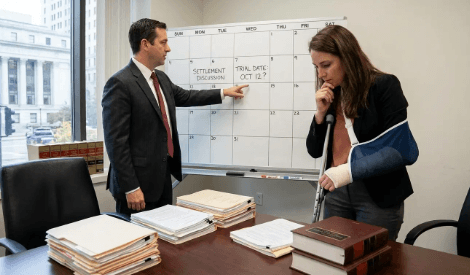
Every case has filing deadlines, also known as the statute of limitations, that depend on the injury, defendant, location, and claim type. A lawyer confirms those dates before accepting representation because a missed deadline can end the claim regardless of its evidence.
The screening also covers what the client said and did after the accident. Recorded statements, social media posts, prior claims, and conversations with adjusters can create contradictions or admissions. The attorney needs a complete account before deciding how those materials affect the case.
A prompt review protects evidence that can disappear. Vehicle data, surveillance footage, app records, electronic messages, and witness memories often require immediate preservation requests or subpoenas.
5. Cost, Risk, And Case Value
A lawyer compares the likely recovery with the time, expense, and legal risk involved. That assessment includes liability disputes, insurance limits, medical liens, expert fees, court costs, and the client’s willingness to participate.
The attorney also checks whether the client has a consistent account and realistic expectations. A case with serious injuries can still face practical limits if evidence is weak or coverage is insufficient.
Before accepting the matter, the lawyer explains the fee agreement, expected expenses, communication duties, and possible outcomes. Clear terms prevent disputes and help the client make an informed decision.
Conclusion
A personal injury lawyer accepts a case after testing liability, coverage, medical proof, deadlines, evidence, and financial practicality. Clients can improve that review by preserving photographs, medical records, receipts, witness details, and insurer communications immediately after an accident. They should avoid recorded statements or public posts until receiving legal guidance. A timely consultation gives the attorney facts before evidence disappears and allows a realistic assessment of the claim’s next step.