
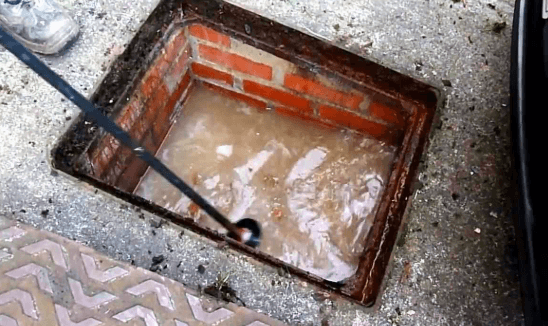
How to Fix Drain Blockages

Drain blockages require a measured approach: identify the likely location, then apply safe, mechanical fixes before resorting to chemicals. Start with traps, cleanouts, and visible lines, noting slowdowns and resistance. Use hot water to flush, a plunger for quick clearance, and a drain snake if needed. If buildup persists, apply cleaners per label, with proper protective gear and no mixing with bleach or ammonia. When it remains unresolved, document findings and seek professional guidance.
Identify the Clog’s Location and Cause
To identify the clog’s location and cause, begin with a systematic assessment of all accessible drainage points. The objective is precise knowledge: map flow paths, observe slowdowns, and note unusual resistances.
identify clog location and determine blockage cause through sequence checks, including traps, cleanouts, and visible lines.
Documentation supports targeted remedies, minimizing unnecessary dismantling and preserving freedom of approach.
Try Safe DIY Fixes (Kitchen, Bathroom, and Shower)
Common safe DIY fixes for kitchen, bathroom, and shower drains begin with straightforward steps that minimize risk and preserve access. The approach emphasizes mechanical methods before chemicals, including inspecting traps, flushing with hot water, and using a plunger or snake as needed. Consider clog alternatives like enzyme cleaners sparingly. Always plan safe disposal of waste and rinsing residues after work.
When and How to Use Tools and Chemical Cleaners
When should tools and chemical cleaners be used, and how should they be applied safely and effectively? Tools address physical blockages; chemical cleaners target buildup with caution. Use protective gear and proper ventilation, then follow label instructions precisely. Identify hazards before mixing household cleaners; never combine cleaners with bleach or ammonia. Apply cleaners after mechanical methods, rinse thoroughly, and avoid repeated use to prevent pipe damage.
Prevention Tips and When to Call a Pro
Preventive measures reduce the likelihood of drain blockages and extend plumbing life, making routine habits essential rather than reactive fixes. The section outlines proactive steps: regular inspection, careful disposal, and recordkeeping for patterns. It covers clog diagnostics techniques, basic root-cause assessment, and threshold triggers for professional input. Emphasis on DIY safety minimizes risk before calling a pro when needed.
See also: Smart Marketing Through Technology
Conclusion
A methodical, scorecard approach yields reliable results: identify the clog, apply safe DIY fixes, and reserve chemicals as a last resort. Mechanical methods—hot-water flush, plunging, and snaking—address most blockages without harsh cleaners. Document findings and progress to guide professionals if needed. By treating drains like a system of lanes to be cleared, progress emerges steadily, like a well-timed relay race handing off the baton to the next step. Maintain discipline, and blockages lose their grip.