Why Early Legal Guidance Matters After a Workplace Injury Claim

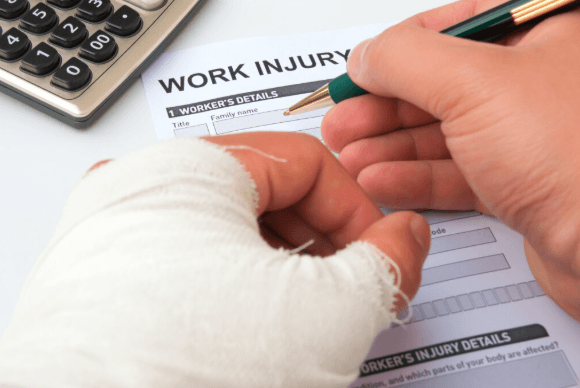
A workplace injury can unsettle far more than a shift schedule. Pain, swelling, sleep loss, follow-up visits, and missed wages often arrive before a worker has time to think clearly. Early legal guidance helps protect facts while treatment begins and symptoms are still changing. That first support can prevent record gaps, reduce avoidable confusion, and give injured employees a steadier path through medical care, employer contact, and benefit questions.
First Steps Matter
During the first days after an incident, workers usually juggle clinic visits, pain control, written reports, and phone calls from insurers. In that narrow window, guidance from personal injury lawyers at Grungo Law can help identify which details deserve prompt attention, which forms need careful review, and how a single vague statement may affect a later dispute over wages, treatment, or fault.
Records Shape Outcomes
Good claims depend on details captured early and kept in order. Incident reports, photographs, witness names, wage records, and treatment notes each support a different part of the case. Missing items can create doubt, especially if nerve pain, stiffness, or reduced range of motion appear later. Early advice helps preserve those materials before memory fades or paperwork disappears.
Medical Care Needs Context
Clinical records do more than list symptoms. They show how pain affects lifting, standing, walking, sleep, and concentration across time. If notes are thin, an insurer may argue that the condition resolved quickly. Early legal input helps workers track restrictions, follow referrals, and ensure charts reflect the real physical effects of the injury.
Timing Affects Benefits
Deadlines shape nearly every workplace injury claim. Notice rules, claim forms, and treatment approvals may follow different timelines depending on state law and employer procedure. Delay can weaken the record before recovery is clear. Prompt guidance helps workers act within required periods and avoid preventable errors that may limit wage support or medical coverage.
Statements Carry Weight
Recorded statements often happen while a worker is sore, tired, or taking medication. Under those conditions, recall may be incomplete or imprecise. Early guidance helps keep answers factual, short, and consistent with what is actually known. That matters because later imaging, specialist exams, or swelling changes may reveal more than the worker understood initially.
Employer Communication Counts
Clear communication with an employer can ease tension during recovery. Workers still need to report symptoms, discuss scheduling, and address temporary restrictions without overstating or minimizing anything. Early legal advice helps frame those exchanges with care. That approach can reduce misunderstandings and keep return planning tied to medical facts rather than pressure or guesswork.
Hidden Costs Add Up
Workplace injuries often lead to expenses beyond the initial hospital or urgent care bill. Prescription copays, physical therapy, parking, mileage, child care shifts, and reduced hours can quickly strain a household. Without prompt advice, workers may focus on the most visible costs and miss related losses. Early review helps identify those categories before they are overlooked.
Disputes Can Grow Quietly
Some cases appear routine at first, then become contested once treatment lasts longer than expected. A simple strain report may later involve questions about causation, prior symptoms, or work capacity. Early guidance prepares the file before those arguments emerge. That preparation matters because weak documentation is harder to fix once positions are set.
Independent Reviews Need Care
Outside medical evaluations can influence benefits, restrictions, and future treatment decisions. Workers who receive early legal guidance are often better prepared for the purpose of the visit and the importance of an accurate history. Preparation does not change symptoms. It helps ensure that pain patterns, functional limitations, and recovery setbacks are described clearly.
Settlement Choices Need Clarity
An early settlement offer can feel tempting during a period of lost income and physical strain. Yet the full effect of an injury may remain unclear while treatment is still unfolding. Numbness, weakness, chronic inflammation, or future therapy needs may not yet be known. Early guidance helps measure an offer against current losses and likely future care costs.
Family Pressure Is Real
A workplace injury often disrupts the whole household. Transportation changes, missed school pickups, extra errands, and reduced earnings can quickly strain family routines. Under that pressure, a worker may feel pushed to choose the quickest resolution. Early legal support brings structure to those decisions and helps keep short-term stress from driving long-term mistakes.
Conclusion
Early legal guidance matters because workplace injury claims are shaped by timing, documentation, medical detail, and careful communication. Once a file contains gaps or inconsistent statements, repair becomes harder and more expensive. Prompt support helps injured workers preserve evidence, track physical limitations, and respond thoughtfully to insurers or employers. Stronger claims usually begin with better records, and better records are easier to build soon after the injury occurs.