What Happens at Mediation in a Personal Injury Settlement Process

Mediation is a private settlement meeting held before trial in many injury claims. A neutral mediator guides the discussion, asks hard questions, and helps both sides assess risk more clearly. Nobody can force a result in that room. Each party keeps control over any final agreement. For injured people, mediation often becomes the moment when medical evidence, liability facts, future costs, and daily limitations receive a careful, practical review.
Why Mediation Starts
Before mediation, both sides collect treatment records, billing statements, proof of wage loss, photographs, and witness accounts. Many injured Texans also consult The Texas Law Dog personal injury lawyer in Fort Worth while building their claims. Strong preparation can influence the bargaining range, the insurer’s response, document quality, and the ability to explain pain, functional loss, and future care needs with precision. This groundwork helps lawyers enter talks with firmer numbers and fewer surprises.
Who is in the Room
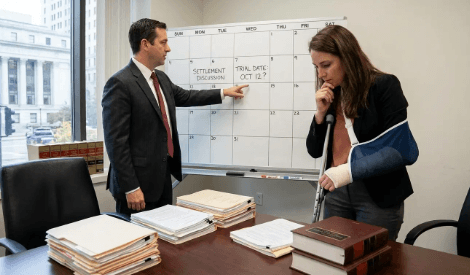
Most sessions include the injured person, defense counsel, an insurance representative with settlement authority, and the mediator. Sometimes a spouse or close relative attends for support. Separate rooms are common in injury cases. Privacy helps people speak more freely about fear, pressure, and acceptable terms. Every participant serves a clear function, and the mediator controls the pace to keep the discussion orderly and useful.
Opening Statements
Some mediations begin with everyone together, though tense cases may skip that step. Plaintiff counsel usually outlines fault, treatment history, physical limits, and economic loss. Defense counsel responds with concerns about causation, shared blame, or claimed damages. The mediator listens for disputed facts and practical sticking points. Opening remarks matter, yet they rarely decide anything. Their main value lies in setting the tone and exposing where movement may happen later.
Private Caucuses
After any joint session, the parties usually split into private rooms. Those meetings are called caucuses. In each space, the mediator tests assumptions, asks for support, and carries offers back and forth. Confidentiality gives people room for candor. A lawyer may privately admit trial risk while maintaining a firm public position. This structure lets both sides reassess value without embarrassment and often reduces the heat that blocks useful bargaining.
How Numbers Move
Settlement numbers usually begin far apart. An opening demand may feel ambitious, while the first insurance offer can appear dismissive. This distance is normal in injury mediation. Each exchange provides the mediator with more details on priorities, reserve limits, and tolerance for trial. Medical expenses, future treatment, lost earnings, pain, and fault disputes all affect movement. Progress rarely follows a straight line. Careful concessions usually signal seriousness better than dramatic jumps.
Evaluating Strengths and Risks
Documents carry weight because they tie symptoms to dates, providers, and cost. Treatment notes, imaging reports, pharmacy records, and employer statements support damages in concrete terms. Liability proof matters just as much. A crash report, witness account, or scene photograph can quickly shift the bargaining range. Weak spots also shape value. Gaps in care, prior injuries, delayed complaints, or surveillance footage may reduce confidence and lower what a defendant will pay.
Common Sticking Points
Money is rarely the only issue at mediation. Medical liens, unpaid balances, release wording, confidentiality terms, and payment timing can all slow an agreement. Future care needs may create friction if physicians have not given clear projections. Emotional concerns also matter. Some injured people want acknowledgment that the event changed their daily lives. The mediator looks for those hidden barriers. Once identified, parties can trade practical solutions rather than repeating their positions.
The Mediator’s Role
A mediator is not a judge and cannot order either side to settle. The person listens, challenges weak assumptions, and gives each room a realistic picture of trial risk. Some mediators speak bluntly. Others use a quieter style and rely on steady questioning. Method matters less than credibility. If both sides trust the mediator’s judgment, difficult messages land better, and stubborn positions often soften without unnecessary conflict.
If a Deal Is Reached
When an agreement is reached, the main terms are usually written down before anyone leaves. That short document may list the payment amount, release terms, lien handling, and funding deadlines. Written language matters because memories fade after a long day of negotiation. Once signed, the claim usually moves into closing paperwork and payment processing. Even without a settlement, mediation still has value. It can narrow disputes and reveal the themes most likely to matter at trial.
Conclusion
Mediation lacks courtroom drama, yet it often shapes the final result more than any hearing. The process gives both sides a structured chance to test proof, measure exposure, and compare settlement value against litigation cost. Good outcomes usually depend on preparation, patience, and realistic expectations about evidence and risk. Even when no agreement is reached that day, mediation can clarify the claim, sharpen legal strategy, and move an injury case closer to resolution.