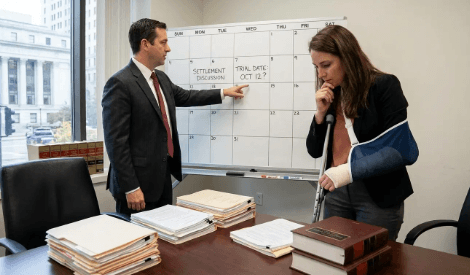
What Happens When a Personal Injury Case Proceeds to Jury Trial

A jury trial usually means an injury claim was not resolved in settlement and proceeded to trial. Court rules set strict deadlines and clear standards for proof. Medical charts, imaging reports, scene photos, and witness accounts become the backbone of the case. Jurors decide which facts are reliable, then determine whether compensation is owed, and in what amount. A step-by-step view helps families prepare, limit surprises, and steady expectations.
Why Some Cases Reach Trial
Negotiations can stall if fault is contested, injury severity is downplayed, or records are read in conflicting ways. Counsel may then prepare for a courtroom decision while continuing to track deadlines. Many people ask Foy & Associates what trial days involve, because depositions and filings feel distant. Seeing the route from dispute to verdict can lower stress, support clearer choices, and reduce last-minute confusion.
The Pretrial Timeline and Key Deadlines
After filing, the court issues a scheduling order for evidence exchange, depositions, and motion cutoffs. Written requests and hearing dates arrive quickly. A pretrial conference often confirms witness lists, exhibit numbering, and time limits for each side. Calendars matter because a missed deadline can block a document or a witness. Early organization also protects families from unnecessary turmoil.
Discovery: Building the Evidence File
Discovery is the formal evidence phase, and it shapes what jurors are allowed to hear. Written questions and document demands can gather imaging results, therapy notes, payroll records, photos, and repair invoices. Depositions record sworn testimony, including treating clinicians and eyewitnesses. Each item helps connect the event to the diagnosis, outlines functional limitations, and demonstrates financial harm with clear supporting evidence.
Motions and Settlement Talks Before Court
As the trial date approaches, both sides often file motions to narrow what comes in. A judge may exclude irrelevant material, limit expert opinions, or set boundaries on older health history. Mediation can happen late, once exposure feels more real. Strong records raise bargaining strength, while gaps weaken leverage. Any late agreement still must address liens, timing, and disbursement steps.
Jury Selection: Picking the Decision Makers
Jury selection begins with careful questioning aimed at bias, life experience, and attitudes that could color judgment. Lawyers may ask about prior claims, views on opioid use, or confidence in police narratives. Some jurors can be removed for cause. A limited number may be struck without explanation. The goal is a fair panel that can listen closely and weigh evidence calmly.
Opening Statements and the Trial Theme
Opening statements set a roadmap, not proof, and they frame what each side expects the testimony to show. Plaintiffs outline the incident, the clinical course, and the day-to-day changes that followed. Defendants may point to uncertainty, alternate causes, or disputed charges. Jurors often latch onto one simple theme. Plain timelines and clear language help that message stay intact.
Presenting Proof: Witnesses and Exhibits
Plaintiffs usually go first, calling witnesses and introducing exhibits through proper foundations. Treating physicians can explain diagnoses, imaging findings, expected recovery, and why certain care was medically necessary. Specialists may address collision forces, future treatment costs, or reduced earning capacity. Defendants then cross-examine and present their own witnesses. Credibility, consistency, and detail often carry as much weight as graphs.
Common Defense Strategies at Trial
Defense teams often challenge causation by pointing to prior conditions, later incidents, or breaks in treatment. Fault arguments may claim a plaintiff acted carelessly or failed to limit harm after the event. Damages disputes may target billing amounts, medical necessity, or wage documentation. Surveillance footage or public posts may be admitted if relevant. Clean records and steady testimony help answer these angles.
Jury Instructions, Deliberation, and the Verdict
After the closing arguments, the judge reads instructions that define the legal rules jurors must follow. Verdict forms guide findings on fault, damages, and any shared responsibility. Deliberations happen in private. Questions may be sent to the judge in writing. The verdict is read in open court. Post-trial motions can follow, and an appeal may be available. Timing can change after the decision.
Conclusion
Trials are structured and time-bound, so the quality of documentation and witness clarity carries real weight. Preparation starts months earlier through discovery, motion practice, and pretrial planning. In court, jurors absorb testimony, judge credibility, and apply the instructions they receive from the bench. After a verdict, motions or an appeal can affect the timing and finality of payment. With a realistic view of each stage, families can plan and stay steady.